Compressed Air Safety: What You Must Know for Reliable and Efficient Operation
بالدور إير
Compressed air is essential in many industries, but using it directly from the compressor can cause serious safety, quality, and maintenance issues. This article explains why compressed air must be treated before use, outlines the risks of untreated air, and introduces Baldor’s one-stop energy-saving solutions for أنظمة الهواء المضغوط.
Why You Should Never Use Compressed Air Directly from the Compressor
Compressed air is created by compressing ambient air, increasing its pressure and density. However, air directly discharged from the compressor contains multiple contaminants and hazards, including:
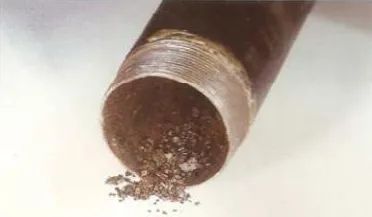
Ambient air naturally contains moisture. When compressed, the water vapor condenses as the air cools down, forming liquid water. This condensation increases the risk of:
Pipe corrosion
System blockages
Damage to pneumatic tools and sensitive equipment
📸 Rusted pipeline from an unnamed brand illustrating moisture damage
2. Oil Contamination
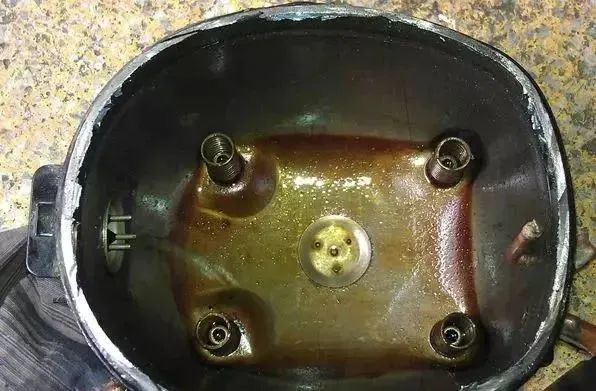
Oil-lubricated compressors introduce oil mist and vapor into the air. Even with standard oil separators, the residual oil content typically remains between 3–6 ppm. This contamination:
Damages precision components
Causes environmental and product quality issues
📸 Equipment damaged by oil contamination
3. Solid Particulate Matter
Untreated compressed air may contain:
Rust particles
Metal shavings
Rubber or sealant debris
Chemical vapors or odors
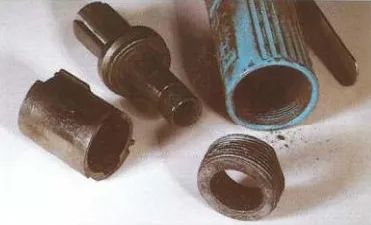
These contaminants severely affect pneumatic devices and reduce system efficiency.
📸 Pneumatic equipment failure due to particle contamination
4. High Temperature Effects
The temperature of the compressed air, and part of the water and oil have been converted into gaseous energy.
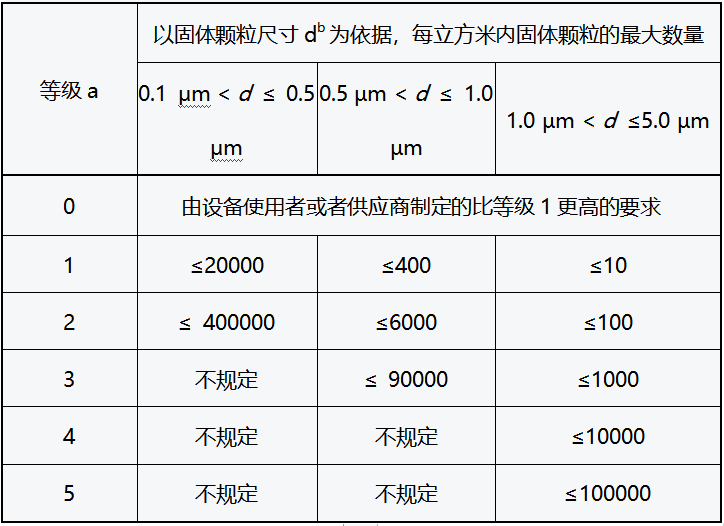
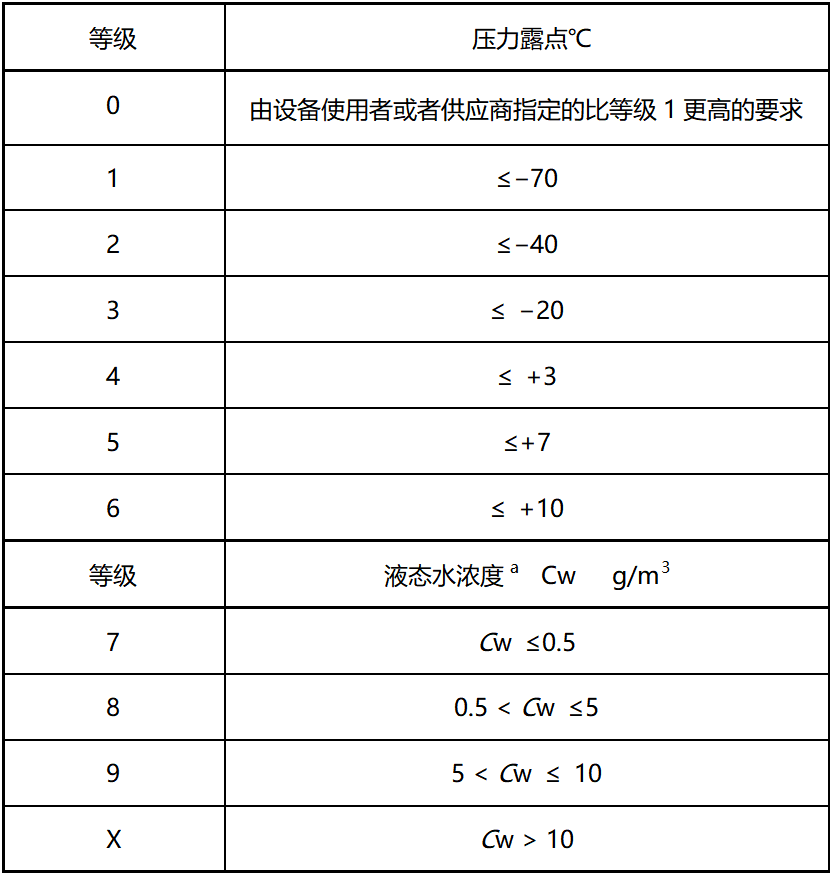
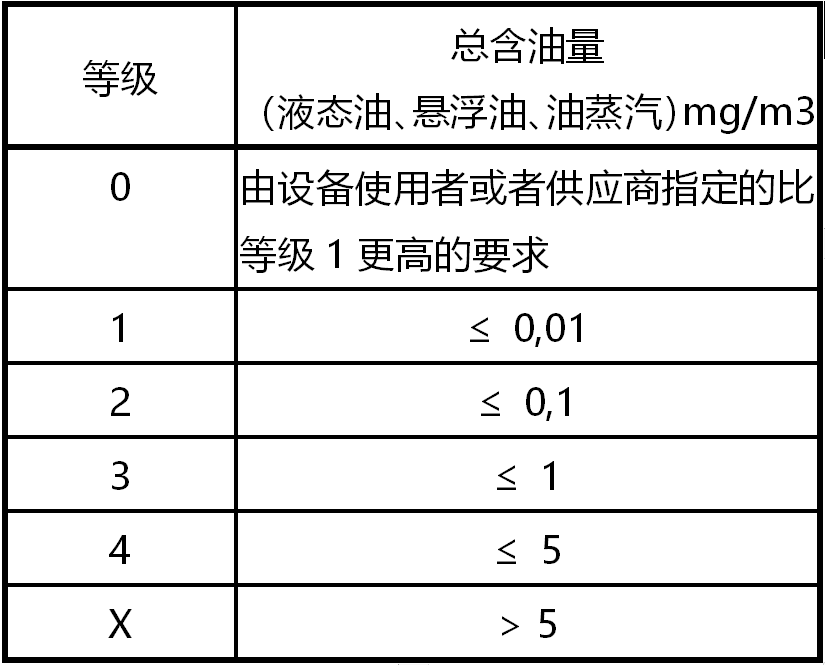
The Compressors, Pneumatic Machinery and Tools Committee (TC118) of the International Organization for Standardization (ISO) put forward the international standards for compressed air drying and purification equipment and compressed air quality in 1986. Among them, the compressed air quality grade standard ISO8573.1 classifies the pollutants in compressed air into three categories: solid impurities, water and oil (China equivalently adopts ISO8573, that is, the national standard GB/T13277-91 “Compressed Air Quality Grades for General Use”). The chart is as follows.
The compressed air quality grades specified in ISO8573-1:2010 are as follows:
Table 1 – Purification Grade of Solid Particles in Compressed Air
Purification Grade of Total Water Content in Compressed Air
Purification grade of the total oil content in compressed air
Why Air Treatment Is Essential
Untreated compressed air affects both product quality and operational safety. Here’s why air purification is a must:
Protect Product Quality Industries like pharmaceuticals, food processing, precision electronics, and textiles require clean, dry air to prevent contamination.
Prevent Equipment Damage Valves, actuators, and sensors require filtration down to:
<40μm for general mechanical use
<10μm for control components
<5μm for sensitive applications
Extend Equipment Life Contaminants degrade seals, corrode parts, and reduce the lifespan of air tools, cylinders, and valves.
Avoid Production Downtime Moisture and particles can block valves, corrode pipelines, and lead to leaks, overheating, or total compressor failure, resulting in costly downtime.
Ensure Health and Safety Contaminated air can pose health risks and degrade the working environment, especially in cleanroom or enclosed operations.
What Makes a Complete Air Treatment System?
A well-designed compressed air systemincludes more than just a compressor. Key components include:
ضاغط الهواء
Aftercooler
الفلاتر
Air Receiver Tank
Dryer (Refrigerated or Adsorption Type)
Auto Drain & Condensate Management
Distribution Piping
Valves and Gauges
These elements work together to ensure clean, dry, and reliable compressed air for your operations.
Baldor’s One-Stop Energy-Saving Compressed Air Solutions
Whether you’re upgrading an old air compressor or setting up a new compressor room, Baldor provides end-to-end energy-efficient solutions:
✅ Energy audit of existing systems ✅ Site selection and layout planning ✅ Customized equipment configuration ✅ Pipeline and post-treatment system design ✅ Professional installation and after-sales service
Baldor has helped listed companies, SOEs, manufacturers, and SMEs achieve clean, stable, and energy-efficient air systems.
Application Examples
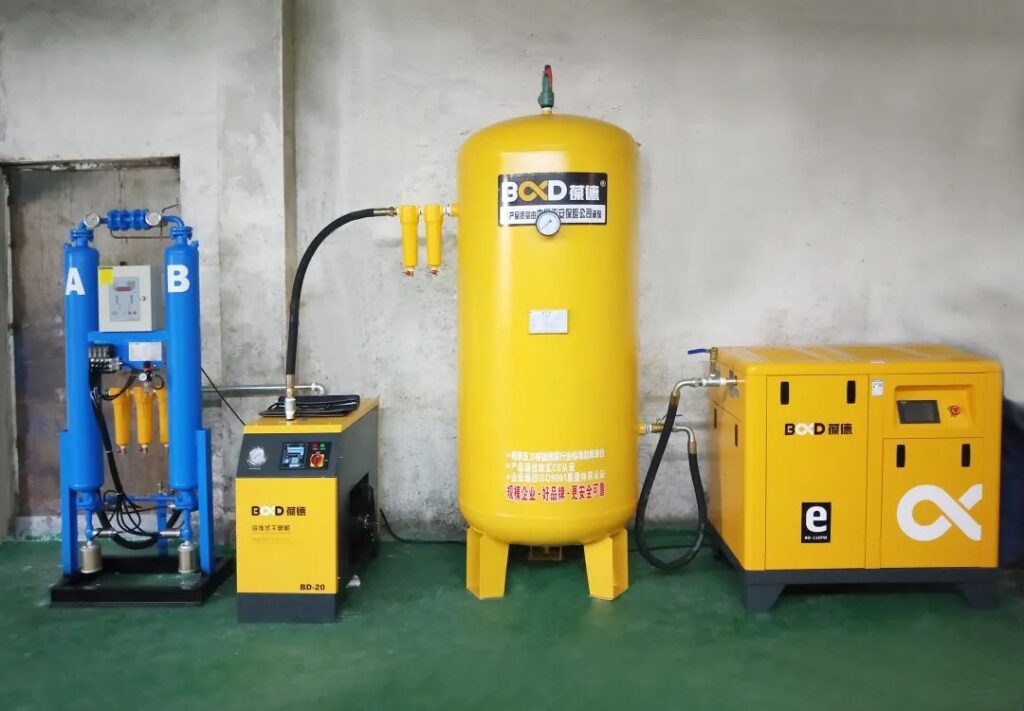
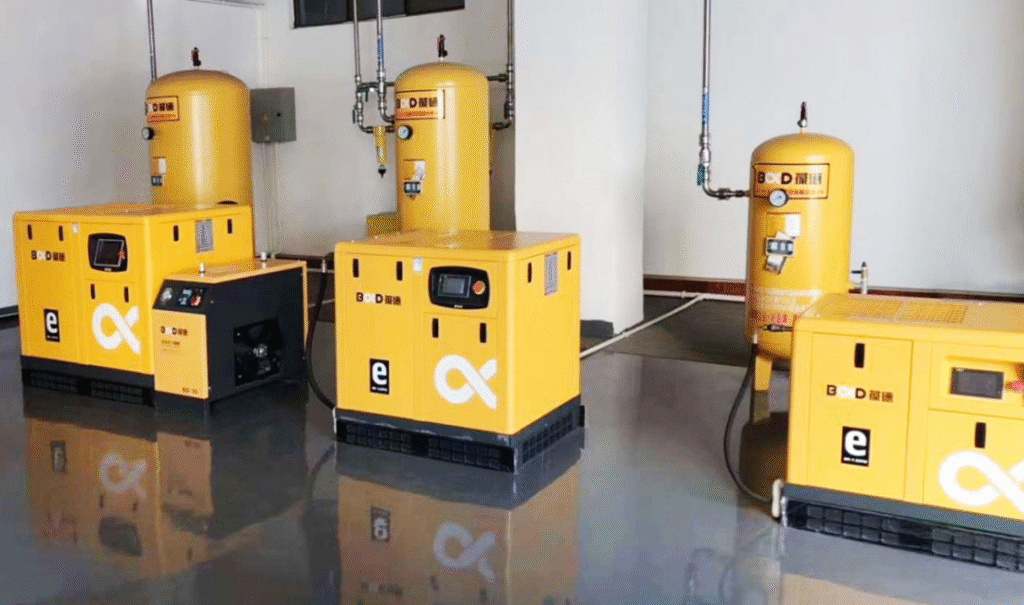
📸Small enterprise using Baldor energy-saving system
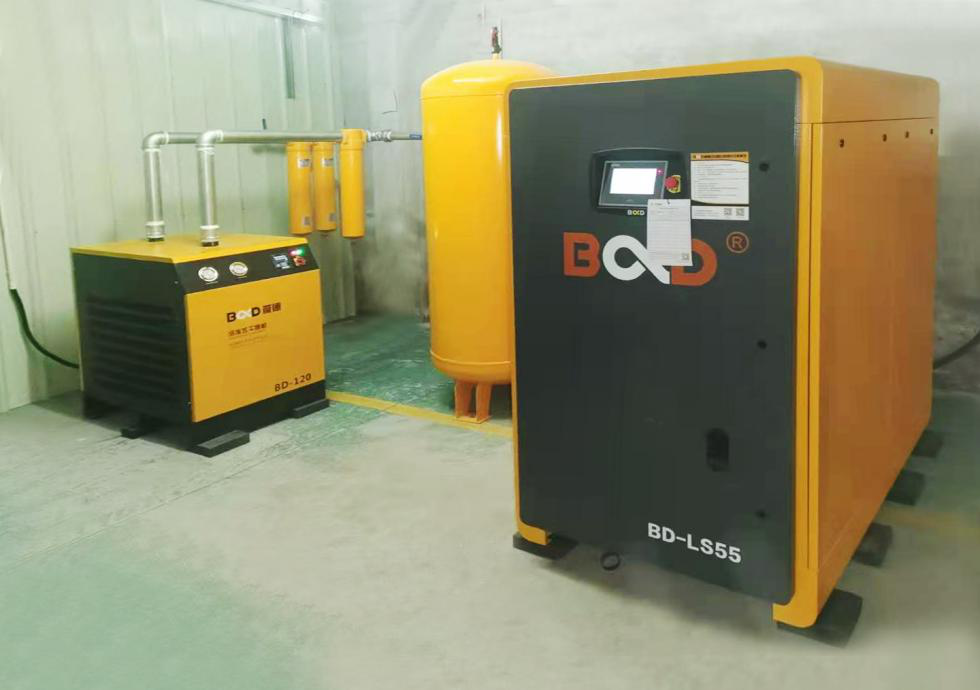
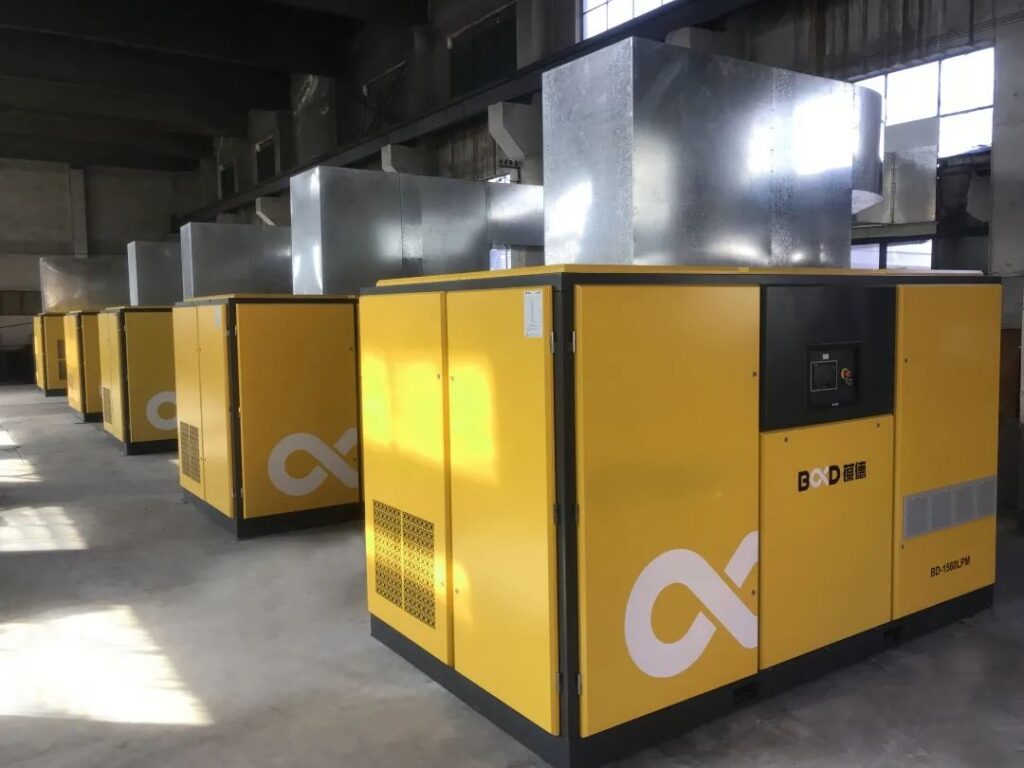
📸 Medium-sized enterprise air compressor setup
📸 Large-scale industrial compressed air solution
الخاتمة
Compressed air quality directly impacts product safety, equipment lifespan, and operational efficiency. Using untreated air introduces avoidable risks and hidden costs. With Baldor’s integrated solutions, you can ensure optimal performance and long-term savings.
🔗 Explore more about our Screw Air Compressors و Post-Treatment Equipment to get started today.
جدول المحتويات
المنتجات:
نود العمل معك
أرسل لنا رسالة إذا كان لديك أي أسئلة أو اطلب عرض أسعار. سيقوم خبراؤنا بالرد عليك في غضون 24 ساعة ومساعدتك في اختيار الصمام المناسب الذي تريده.