
スクリューエアコンプレッサー are built to perform under pressure—but when temperatures soar, overheating and shutdowns can become a serious problem. While environmental temperature may not directly cause a shutdown, it’s often the trigger that reveals underlying mechanical or maintenance issues.
In this guide, we offer a complete set of practical strategies to help you prevent high-temperature faults and keep your screw compressor running cool and efficient—even under extreme conditions.
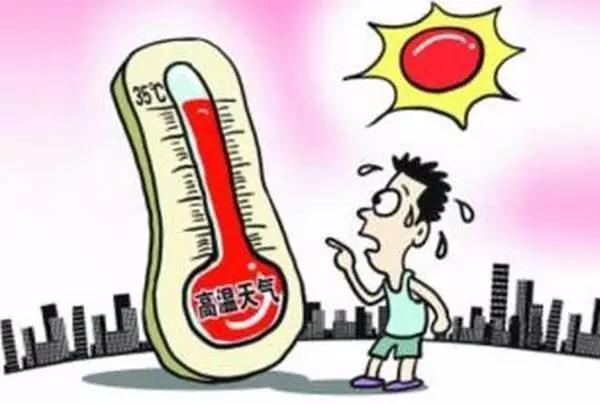
🌡️ Common Causes of Screw Compressor Overheating
✅ 1. Environmental Factors
- Air becomes thinner at high ambient temperatures, reducing intake density and efficiency. This means your compressor stays in load mode longer, generating more heat.
- Most compressors are designed for ambient temperatures between 30–40°C. Exceeding this range can cause the internal temperature to approach or exceed the shutdown threshold (typically 100–110°C).
📌 Ensure proper ventilation, install exhaust fans, and avoid direct sun exposure.
⚠️ 2. Mechanical Failures That Cause Overheating
• Oil Stop Valve Malfunction
Failure in the oil stop valve (also called oil shut-off valve) leads to oil starvation, causing the airend to overheat—and in severe cases, even airend burnout.
• Oil Filter Blockage
A clogged oil filter restricts oil flow, reducing lubrication and cooling capacity.
• Thermal Valve (Thermostatic Valve) Failure
もし thermal valve fails, hot oil bypasses the cooler, leading to uncontrolled oil temperatures.
• Oil Flow Regulator Issues
Incorrect spray oil volume due to regulator malfunction can increase the temperature.
⚠️ This component is pre-calibrated at the factory—adjustments must be made by professionals only.
• Oil Cooler Failure
For water-cooled compressors, check if the inlet/outlet temperature difference is under 5°C—this signals poor heat exchange. Likely causes: clogged or scaled coolers.
For air-cooled units, confirm fan operation and ambient temperature conditions.
• Airend Wear or Damage
Excessive wear in the compressor airend due to poor lubrication can generate excess heat.
• Air Filter Clogging
A dirty air filter reduces intake air volume, forcing the unit into longer load cycles and producing more heat.
• Oil-Air Separator Blockage
Blockage causes internal pressure buildup, leading to higher temperatures. Root causes may include:
a) Separator nearing end of life
b) Low oil quality or poor air separation ability
• Sensor or Controller Faults
Faulty temperature sensors or PLC errors can cause incorrect readings and premature shutdowns.
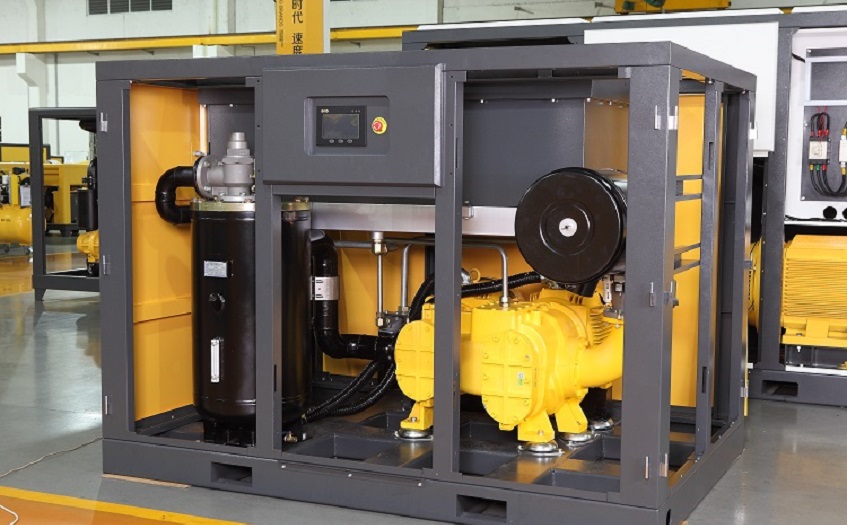
🛢️ Oil-Related Factors That Lead to High Temperatures
✅ 1. Low Oil Level
When oil level drops below minimum level mark, heat cannot be dissipated efficiently.
→ Immediate shutdown and refill required.
✅ 2. Oil Degradation or Oxidation
Old or poor-quality oil becomes thick, loses flowability, and can’t absorb or carry heat away.
→ Replace oil immediately if discolored or overused.
✅ 3. Incorrect Oil Viscosity
- Too low: poor lubrication → increased wear and friction
- Too high: poor flowability → insufficient cooling
Choose oil viscosity based on the operation manual and actual conditions (e.g., temperature range).
✅ 4. 低品質のコンプレッサーオイル
Avoid oils with:
- Poor thermal oxidation resistance (leads to varnish, sludge)
- Weak air release and anti-foam properties
- Inadequate water separation ability

🏭 How to Create a “Cool Zone” for Your Screw Compressor
✅ 1. Compressor Room Layout & Design
Plan the layout of your compressor station:
- Leave enough space between compressor, dryer, tank, and filters
- Ensure airflow and exhaust paths are unobstructed
- Install ventilation fans or louvers for hot climates
- If outdoors, apply dustproofing, waterproofing, and sun protection
Also, reserve adequate maintenance space for the largest machine in the station.
✅ 2. Regular Maintenance & Inspection
- Log inspection and service records
- Replace oil, air filters, separators, and other wear parts on schedule
- Clean exterior fins and check cooling fan function
- Monitor voltage and current stability
🧪 Choosing the Right Compressor Oil: A Game-Changer
1. Viscosity & Viscosity-Temperature Performance
Adapt oil viscosity to your compressor’s working temperature and ambient conditions.
2. Thermal Oxidation Stability
Oils with better oxidation resistance reduce varnish/sludge formation and protect metal surfaces.
3. Air Release and Foam Resistance
Poor air separation leads to inefficient oil/air separation and increased oil carryover.
4. Water Resistance
In humid or coastal areas, choose oil with strong anti-emulsification properties.
5. Oil Analysis & Monitoring
If possible, perform regular oil testing to detect early signs of degradation or contamination.
✅ Final Thoughts: Keep It Cool, Keep It Running
High temperature faults in screw air compressors are preventable. With a combination of:
- Proper environment control
- Reliable mechanical components
- Correct lubricant use
- Scheduled maintenance
You can significantly reduce the risk of shutdowns and extend compressor lifespan.
で バルドル, we provide advanced cooling solutions, genuine spare parts, and expert maintenance support to help you optimize performance.