
Learn the main components of an air compressor, how each part works, common failures, maintenance schedules, and expert tips to improve efficiency and extend equipment life.
Air Compressor Components Explained: Functions, Maintenance, Common Problems, and Maintenance Tips
Industrial air compressors are among the most valuable assets in modern manufacturing. From powering automated production lines and CNC equipment to supporting laser cutting, packaging, food processing, and automotive assembly, compressed air has become an indispensable utility across nearly every industry.
Yet despite their importance, many operators only pay attention to the compressor as a whole. Few fully understand the individual components inside the machine that determine its performance, energy efficiency, reliability, and maintenance costs.
In reality, every component—from the airend and electric motor to the oil separator and cooling system—plays a critical role in producing clean, stable compressed air. When even one component begins to wear or malfunction, the entire system can suffer from reduced efficiency, increased energy consumption, unexpected downtime, and expensive repairs.
Whether you’re purchasing a new rotary screw air compressor, maintaining an existing compressed air station, or troubleshooting performance issues, understanding the function of each component is essential for maximizing equipment life and minimizing operating costs.
In this comprehensive guide, we’ll explain:
- The major components of an air compressor
- How each component works
- Common failure symptoms
- Recommended maintenance practices
- How to improve compressor reliability and efficiency
- Frequently asked questions from industrial users
By the end of this guide, you’ll have a clear understanding of how a rotary screw air compressor operates and how proper maintenance of its components can significantly reduce lifecycle costs.
What Are the Main Components of an Air Compressor?
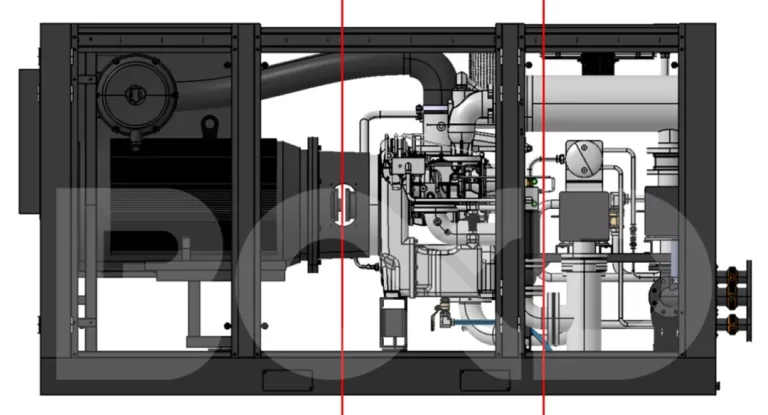
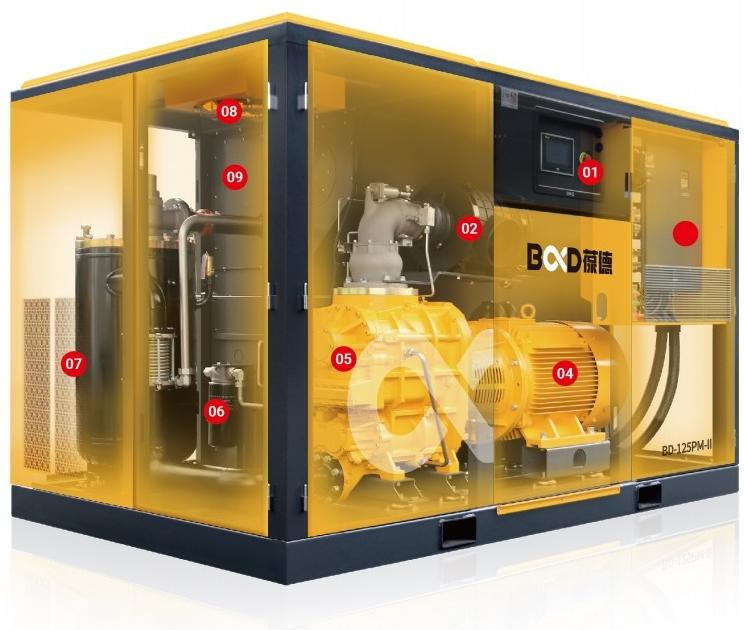
An industrial air compressor is much more than a motor connected to a pump. It is a carefully engineered system in which multiple components work together to compress, cool, filter, lubricate, and deliver compressed air safely and efficiently.
Each component has a specific function. If one part begins to fail, it can affect the performance of the entire compressed air system.
The main components found in most rotary screw air compressors include:
| Component | Primary Function |
|---|---|
| Airend | Compresses atmospheric air into high-pressure compressed air |
| Electric Motor | Drives the airend through direct drive or belt drive |
| Air Intake Filter | Removes dust and contaminants before air enters the compressor |
| Filtro de aceite | Keeps compressor oil clean by removing impurities |
| Oil Separator | Separates lubricating oil from compressed air |
| Sistema de refrigeración | Removes heat generated during compression |
| Lubrication System | Lubricates, cools, and seals internal components |
| Air Receiver Tank | Stores compressed air and stabilizes system pressure |
| Pressure Sensors | Monitor operating pressure and system conditions |
| PLC Controller | Controls compressor operation and protection functions |
| Safety Valve | Prevents dangerous overpressure conditions |
Each of these components contributes to the compressor’s overall efficiency, air quality, and service life. Understanding their functions is the first step toward reducing downtime and achieving reliable long-term operation.
Airend (Compressor Element): The Heart of a Rotary Screw Air Compressor
The airend, also known as the compressor element, is the most important component inside a rotary screw air compressor. It is responsible for the actual compression of atmospheric air and has the greatest influence on airflow, pressure stability, energy efficiency, and overall machine performance.
Because of its critical role, the airend is often referred to as the “heart” of the compressor.
How Does an Airend Work?
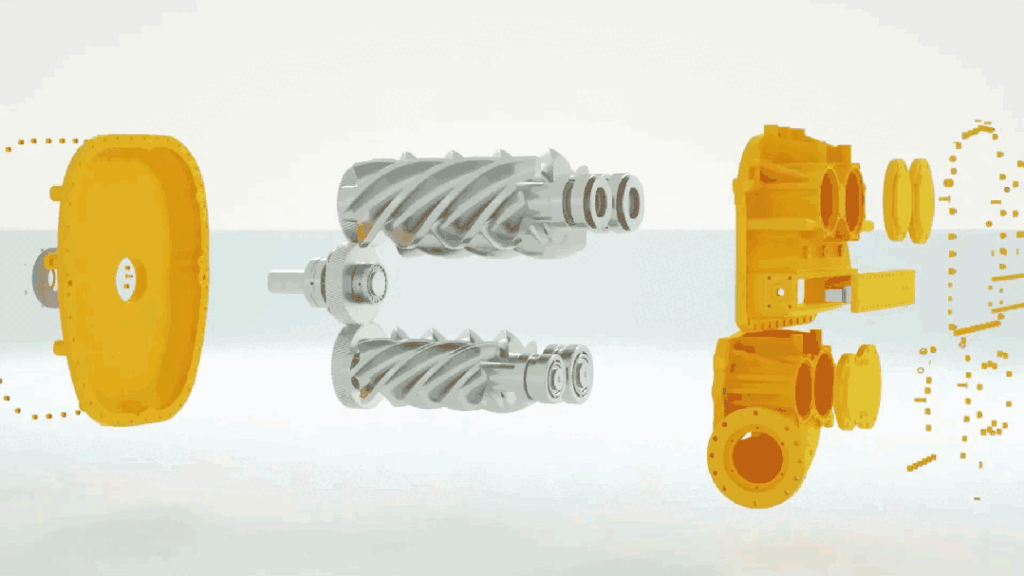
A rotary screw airend contains two precision-machined helical rotors—a male rotor and a female rotor.
As these rotors rotate in opposite directions, they trap incoming air and gradually reduce its volume. According to the basic principles of thermodynamics, reducing the volume of air increases its pressure. The compressed air is then discharged into the separator system before moving through the rest of the compressed air circuit.
This continuous rotary compression process delivers several advantages over traditional reciprocating compressors:
- Continuous, pulse-free airflow
- Higher operating efficiency
- Lower vibration
- Reduced noise levels
- Longer service life
These characteristics make rotary screw compressors the preferred choice for industrial applications requiring continuous operation.
Primary Functions of the Airend
The airend performs several essential tasks:
- Compress atmospheric air into usable compressed air
- Maintain stable operating pressure
- Deliver continuous airflow
- Minimize energy losses during compression
- Ensure consistent air supply for production equipment
Since the airend directly determines compressor efficiency, its condition has a significant impact on electricity consumption and production reliability.
Common Airend Problems
Like any precision mechanical component, the airend experiences wear over time. Some of the most common issues include:
Bearing Wear
Bearings operate under high rotational speeds and continuous loads. As bearings wear, vibration and operating temperatures increase, eventually affecting rotor alignment.
Typical symptoms include:
- Increased vibration
- Abnormal mechanical noise
- Rising discharge temperature
- Reduced compressor efficiency
Rotor Wear
Poor filtration, contaminated oil, or extended operating hours can gradually wear the rotor surfaces.
This often results in:
- Lower air output
- Reduced pressure stability
- Mayor consumo de energía
Oil Leakage
Damaged seals or excessive internal pressure may allow lubricating oil to leak from the airend.
Oil leakage should always be investigated promptly, as insufficient lubrication can lead to severe internal damage.
High Discharge Temperature
High discharge temperatures are often caused by:
- Dirty coolers
- Low oil levels
- Poor ventilation
- Bearing failure
- Cooling system problems
If left unresolved, overheating can significantly shorten airend lifespan.
Airend Maintenance Best Practices
Proper preventive maintenance dramatically extends airend service life.
Recommended practices include:
- Monitor discharge temperature daily.
- Listen for unusual mechanical noises.
- Perform vibration inspections regularly.
- Use only high-quality compressor lubricant.
- Replace air and oil filters according to maintenance schedules.
- Prevent dust and contaminants from entering the intake system.
- Inspect bearings during scheduled overhauls.
Under normal industrial operating conditions and with proper maintenance, a high-quality rotary screw airend can provide tens of thousands of operating hours before requiring major refurbishment.
Electric Motor: The Power Source Behind Every Air Compressor
While the airend compresses the air, the electric motor provides the mechanical power required to drive the compression process. The motor converts electrical energy into rotational force, ensuring stable operation under varying load conditions.
In modern industrial compressors, the motor is one of the largest contributors to overall energy consumption. Since electricity often accounts for more than 70% of a compressor’s lifecycle cost, selecting an efficient motor is essential for reducing operating expenses.
Today’s rotary screw air compressors generally use one of two motor types:
Induction Motors
Induction motors are widely used because of their simple design, reliability, and relatively low initial cost. They perform well in fixed-speed applications but are generally less energy-efficient when operating under fluctuating air demand.
Permanent Magnet Motors
Permanent magnet synchronous motors (PMSMs) are increasingly popular in energy-saving compressors. When combined with variable frequency drive (VFD) technology, they automatically adjust motor speed to match actual air demand, reducing unloaded operation and significantly lowering electricity consumption.
Compared with conventional induction motors, permanent magnet motors typically offer:
- Higher energy efficiency
- Lower operating temperatures
- Reduced maintenance requirements
- Improved part-load performance
- Better long-term operating economy
For facilities with varying compressed air demand, permanent magnet variable-speed compressors often deliver the fastest return on investment through reduced energy consumption.
Air Intake Filter: The First Line of Defense
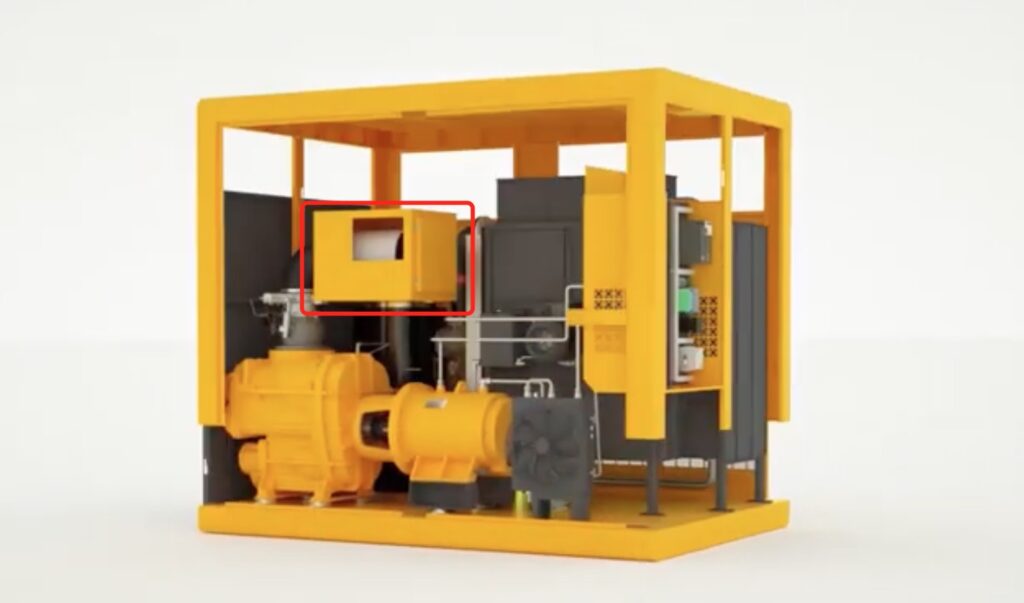
Every cubic meter of compressed air begins as atmospheric air. Before entering the airend, this air must pass through the air intake filter, which removes dust, dirt, pollen, moisture, and other airborne contaminants.
Although relatively inexpensive, the intake filter is one of the most important maintenance items in an air compressor. A clean filter protects the entire compression system, while a clogged or damaged filter can reduce efficiency and shorten the lifespan of critical components.
What Does an Air Intake Filter Do?
The intake filter performs several essential functions:
- Prevents dust and debris from entering the airend
- Protects the rotors from premature wear
- Maintains consistent airflow
- Improves compressed air quality
- Reduces maintenance costs
Without effective filtration, abrasive particles can damage precision-machined rotors, contaminate compressor oil, and increase internal wear.
Signs of a Clogged Air Filter
As the filter becomes dirty, airflow into the compressor decreases. This forces the motor to work harder while reducing overall performance.
Common symptoms include:
- Reduced air delivery (CFM)
- Increased energy consumption
- Higher intake vacuum
- Slow pressure build-up
- Elevated operating temperature
- Dirty compressor oil
Ignoring these symptoms can eventually lead to expensive airend repairs.
Recommended Maintenance
For most industrial environments:
- Inspect the intake filter every month.
- Clean the filter housing during routine maintenance.
- Replace the filter element every 2,000 to 4,000 operating hours, or sooner in dusty environments.
- Never clean paper filter elements with compressed air unless recommended by the manufacturer, as this can damage the filter media.
Proper intake filtration is one of the simplest and most cost-effective ways to improve compressor reliability.
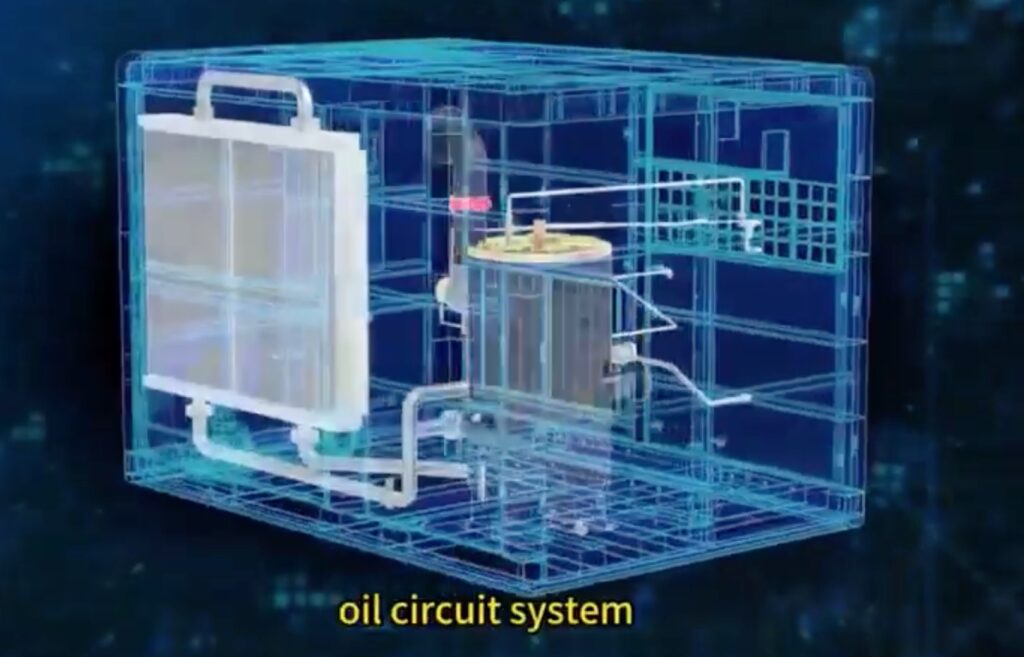
Oil Filter: Protecting the Compressor’s Lubrication System
While the intake filter protects incoming air, the oil filter protects the compressor’s internal lubrication circuit.
Compressor oil continuously circulates through the airend, bearings, gears, and cooling system. During operation, it collects microscopic metal particles, carbon deposits, and other contaminants. The oil filter removes these impurities before the oil is recirculated.
Why Is the Oil Filter Important?
A high-quality oil filter helps:
- Maintain clean lubricating oil
- Reduce internal component wear
- Extend bearing life
- Protect the airend
- Improve cooling performance
- Prevent oil passage blockages
Without effective filtration, contaminated oil can accelerate wear throughout the compressor.
Symptoms of a Blocked Oil Filter
A restricted oil filter may cause:
- High oil pressure
- Mala lubricación
- Elevated discharge temperature
- Mayor desgaste de los rodamientos
- Premature airend failure
Many modern compressors include a differential pressure indicator that alerts operators when the oil filter requires replacement.
Oil Filter Replacement Interval
As a general guideline:
- Replace the oil filter whenever compressor oil is changed.
- Follow the manufacturer’s recommended maintenance schedule.
- Replace the filter immediately if differential pressure becomes excessive.
Using genuine replacement filters helps ensure proper filtration efficiency and oil flow.
Oil Separator: Delivering Clean, Oil-Free Compressed Air
The oil separator is one of the defining components of an oil-injected rotary screw air compressor.
Its primary purpose is to separate lubricating oil from compressed air before the air leaves the compressor.
Because compressor oil is injected directly into the compression chamber for lubrication, cooling, and sealing, effective oil separation is essential.
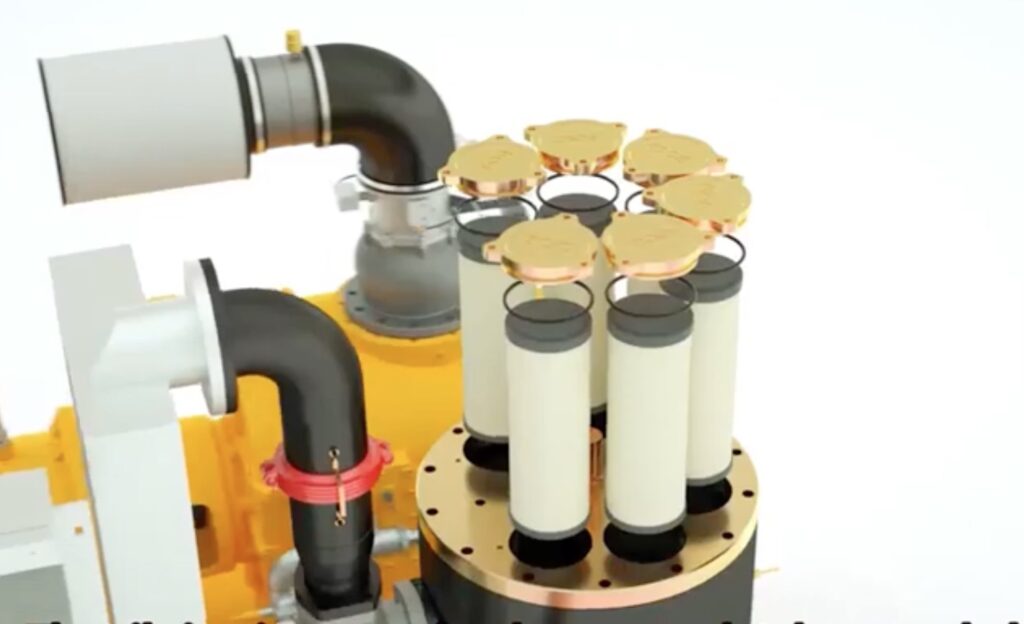
How Does an Oil Separator Work?
After compression, the mixture of compressed air and oil enters the separator tank.
The separation process typically occurs in two stages:
- Gravity separation removes larger oil droplets.
- A high-efficiency separator element captures fine oil mist before compressed air exits the compressor.
Recovered oil is then returned to the lubrication system for reuse.
This closed-loop process minimizes oil consumption while maintaining clean compressed air.
Common Oil Separator Problems
Over time, the separator element gradually becomes restricted.
Common symptoms include:
- High pressure differential
- Increased energy consumption
- Excessive oil carryover
- Oil in downstream piping
- Oil contamination in production equipment
- Reduced compressor efficiency
Ignoring separator replacement often results in higher operating costs than the replacement element itself.
Best Maintenance Practices
Replace the oil separator:
- According to operating hours
- When pressure differential exceeds manufacturer recommendations
- If oil carryover becomes excessive
Always use high-quality separator elements designed for your compressor model to maintain optimal performance.
Cooling System: Controlling Heat for Reliable Operation
Heat is an unavoidable by-product of air compression.
If this heat is not removed efficiently, compressor performance declines rapidly. Excessive temperatures accelerate lubricant degradation, reduce bearing life, and increase the risk of unexpected shutdowns.
The cooling system is therefore essential for maintaining safe operating temperatures and long-term reliability.
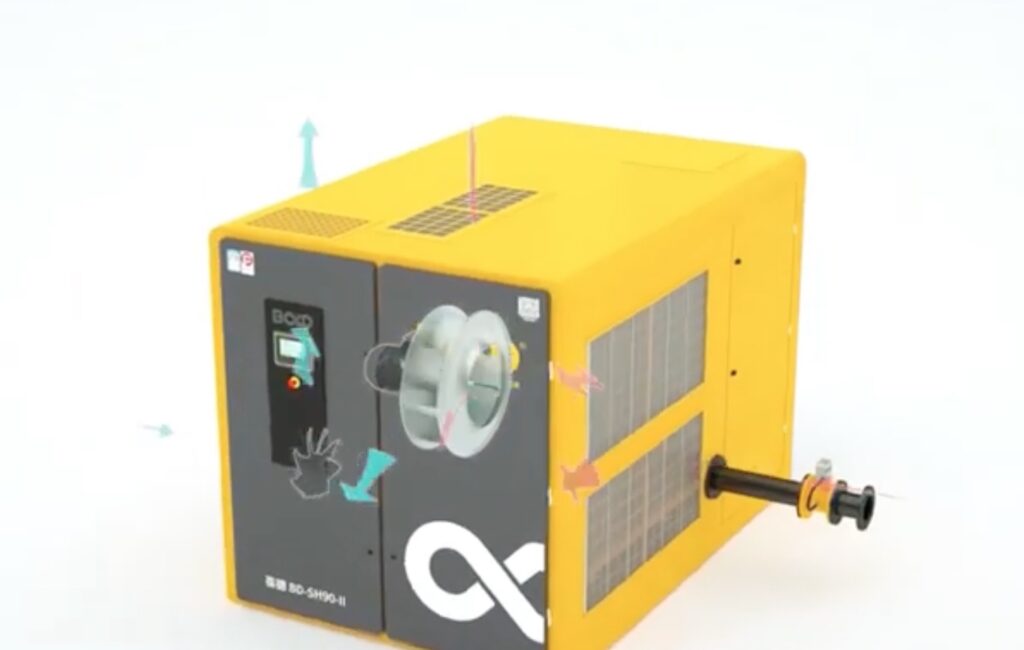
Modern rotary screw compressors generally use one of two cooling methods.
Air-Cooled Compressors
Air-cooled compressors use cooling fans to force ambient air through aluminum or copper coolers.
Advantages
- Lower installation cost
- Simple maintenance
- No cooling water required
- Suitable for most industrial workshops
Disadvantages
- Performance depends on ambient temperature
- Dust accumulation reduces cooling efficiency
- Requires adequate ventilation
Maintenance Tips
- Clean coolers regularly.
- Remove dust from cooling fins.
- Ensure unrestricted airflow around the compressor.
- Check fan operation during inspections.
Water-Cooled Compressors
Water-cooled compressors transfer heat through a water circuit instead of ambient air.
These systems are commonly used in:
- Steel plants
- Chemical processing
- Large manufacturing facilities
- High-temperature environments
Advantages
- Stable operating temperature
- Higher cooling efficiency
- Less affected by ambient conditions
- Lower noise levels
Disadvantages
- Higher installation costs
- Requires water treatment
- Periodic inspection for scaling and corrosion
Maintenance Tips
- Monitor water quality regularly.
- Remove scale from heat exchangers.
- Check cooling water flow rates.
- Inspect piping for leaks.
Air-Cooled vs Water-Cooled Compressors
| Característica | Refrigeración por aire | Water-Cooled |
|---|---|---|
| Initial Investment | Lower | Higher |
| Cooling Efficiency | Good | Excellent |
| Installation | Simple | More Complex |
| Maintenance | Easy | Moderate |
| Water Requirement | None | Required |
| Best Application | General Industry | Continuous Heavy-Duty Operation |
Selecting the right cooling system depends on operating conditions, ambient temperature, water availability, and production requirements.
Lubrication System: More Than Just Oil
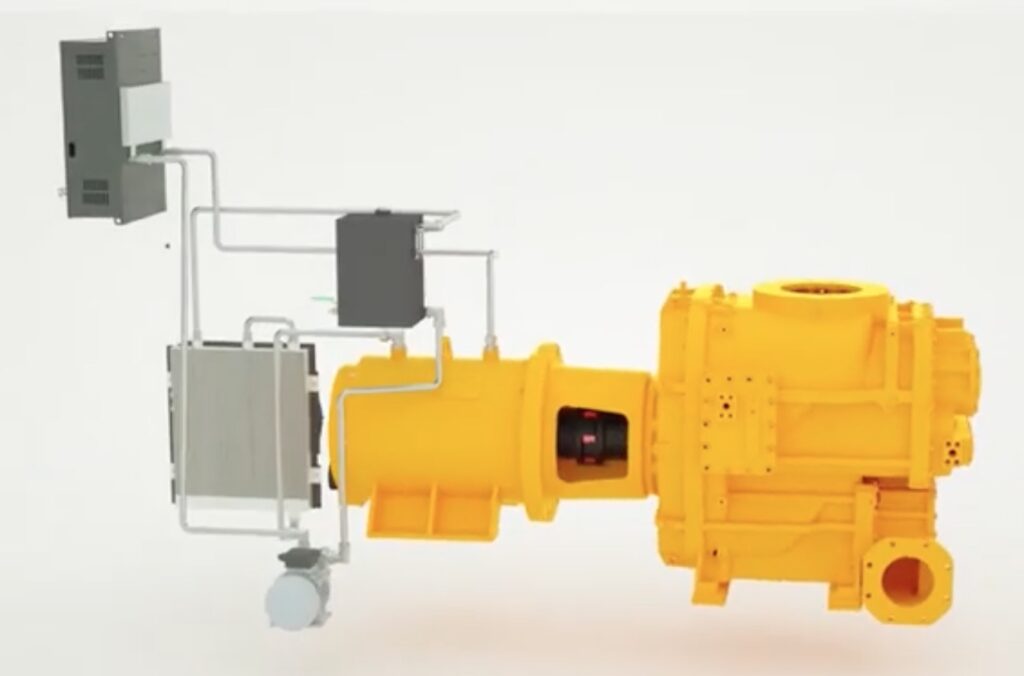
Many people assume compressor oil serves only one purpose—lubrication. In reality, compressor lubricant performs several critical functions simultaneously, making it one of the most important elements in an oil-injected rotary screw compressor.
High-quality compressor oil helps:
- Lubricate bearings, gears, and rotors to reduce friction.
- Seal the compression chamber, improving volumetric efficiency.
- Absorb and transfer heat away from internal components.
- Carry away contaminants generated during operation.
- Protect metal surfaces from corrosion and oxidation.
Because the lubricant is constantly exposed to high temperatures and pressure, it gradually degrades over time. As oil ages, its viscosity changes, oxidation increases, and its ability to cool and lubricate declines.
Signs That Compressor Oil Needs Replacement
Watch for the following indicators:
- Dark or contaminated oil
- Increased operating temperature
- Unusual bearing noise
- Mayor consumo de energía
- Oil oxidation or burnt odor
- Reduced compressor efficiency
Replacing compressor oil at the recommended service interval is one of the simplest ways to extend equipment life and avoid expensive repairs.
Air Receiver Tank: Stabilizing Pressure and Improving Air Quality
An air receiver tank, also known as an air storage tank, is an essential part of most compressed air systems. Although it does not generate compressed air, it plays a critical role in maintaining system stability and efficiency.
The receiver tank acts as a buffer between the compressor and the air distribution network. It stores compressed air during periods of low demand and supplies additional air during temporary peak consumption.
Key Functions of an Air Receiver Tank
An air receiver tank provides several important benefits:
- Stabilizes system pressure
- Reduces compressor loading and unloading cycles
- Minimizes pressure fluctuations
- Allows moisture to condense before downstream treatment
- Improves overall compressed air quality
- Extends compressor service life
A properly sized air receiver can also improve the performance of air dryers and filters by reducing airflow turbulence and allowing more time for condensate separation.
Maintenance Tips
To keep the receiver tank operating safely:
- Drain condensate daily or install an automatic drain valve.
- Inspect the tank for internal corrosion.
- Check pressure gauges regularly.
- Perform periodic pressure vessel inspections according to local regulations.
- Test the safety relief valve as recommended.
PLC Controller and Smart Monitoring System
Modern rotary screw air compressors are far more intelligent than earlier generations. Advanced programmable logic controllers (PLCs) and smart monitoring systems continuously optimize compressor performance while protecting critical components.
Rather than simply turning the compressor on and off, today’s controllers monitor operating conditions in real time and automatically adjust system parameters.

Functions of the Control System
The controller is responsible for:
- Starting and stopping the compressor
- Regulating system pressure
- Controlling loading and unloading cycles
- Managing variable-speed operation
- Recording operating hours
- Displaying maintenance reminders
- Protecting against abnormal operating conditions
Many premium compressors also support Industrial IoT (IIoT) connectivity, enabling remote monitoring from computers or mobile devices.
Operators can view:
- Operating pressure
- Discharge temperature
- Motor current
- Energy consumption
- Service intervals
- Alarm history
- Fault diagnostics
Remote monitoring allows maintenance teams to identify potential issues before they become major failures, improving uptime and reducing maintenance costs.
Safety Valve: Protecting Your Compressor and Personnel
The safety relief valve is one of the simplest yet most critical safety components in any compressed air system.
Its purpose is to automatically release compressed air if system pressure exceeds the maximum safe operating limit.
Without a properly functioning safety valve, excessive pressure could damage equipment or create serious safety hazards.
Maintenance Recommendations
Regularly inspect the safety valve for:
- Corrosion
- Leakage
- Blockage
- Mechanical damage
Never attempt to adjust or disable a safety valve without following manufacturer specifications.
Common Air Compressor Problems and How to Solve Them
Even well-maintained compressors can experience occasional problems. Identifying symptoms early helps minimize downtime and repair costs.
| Problem | Possible Cause | Recommended Solution |
|---|---|---|
| Low Air Pressure | Air leaks, clogged filters, worn airend | Repair leaks, replace filters, inspect airend |
| High Operating Temperature | Dirty cooler, low oil level, poor ventilation | Clean cooler, replenish oil, improve airflow |
| Excessive Oil Carryover | Worn oil separator, incorrect oil level | Replace separator element and inspect oil system |
| Unusual Noise | Bearing wear, loose components | Inspect bearings and tighten fasteners |
| Alto consumo energético | Dirty filters, incorrect pressure settings, poor maintenance | Perform preventive maintenance and optimize operating pressure |
| Frequent Start/Stop Cycles | Air leaks or undersized receiver tank | Repair leaks and evaluate storage capacity |
| Moisture in Compressed Air | Faulty dryer or blocked drain | Service the air dryer and inspect condensate drains |
Most compressor failures develop gradually rather than occurring suddenly. Routine inspections help detect small issues before they become expensive repairs.
Preventive Maintenance Checklist
Preventive maintenance is one of the most effective ways to reduce lifecycle costs and improve compressor reliability.
The following schedule provides general recommendations for industrial rotary screw air compressors.
| Maintenance Interval | Recommended Task |
|---|---|
| Daily | Check oil level, operating pressure, temperature, and condensate drains |
| Weekly | Inspect for air leaks and abnormal vibration |
| Monthly | Clean coolers and inspect intake filters |
| Every 2,000 Hours | Replace compressor oil (depending on lubricant type) |
| Every 2,000–4,000 Hours | Replace oil filter |
| Every 4,000–8,000 Hours | Replace air filter and oil separator (depending on operating conditions) |
| Annually | Perform a complete system inspection, including motor, airend, sensors, and electrical connections |
Actual maintenance intervals may vary depending on compressor model, ambient conditions, and operating hours. Always refer to the manufacturer’s service recommendations.
OEM Parts vs. Aftermarket Parts: Which Is the Better Choice?
When replacement parts are needed, many users consider lower-cost aftermarket alternatives. While these parts may reduce initial expenses, they do not always provide the same performance or reliability as original equipment manufacturer (OEM) components.
| Característica | OEM Parts | Aftermarket Parts |
|---|---|---|
| Compatibility | Designed specifically for the compressor | May require modification |
| Quality Control | Factory-tested | Varies by supplier |
| Service Life | Typically longer | Can vary significantly |
| Warranty Support | Usually covered | May affect warranty |
| Long-Term Operating Cost | Lower due to reliability | May increase maintenance costs |
For critical components such as airends, oil separators, filters, bearings, and sensors, OEM parts generally provide better long-term value by reducing the risk of unexpected failures and maintaining compressor efficiency.
Conclusión
Every component inside an air compressor contributes to its overall performance, reliability, and efficiency. From the airend and electric motor to the filters, cooling system, lubrication circuit, and intelligent controller, each part plays a vital role in delivering a stable supply of compressed air.
Understanding how these components work and maintaining them according to recommended service intervals can significantly reduce downtime, improve energy efficiency, and extend equipment life.
Whether you’re operating a single compressor or managing an entire compressed air system, investing in preventive maintenance and high-quality replacement parts is one of the smartest ways to maximize productivity and lower total ownership costs.
Preguntas frecuentes
What is the most important component of a rotary screw air compressor?
The airend is generally considered the most important component because it performs the actual air compression and has the greatest impact on efficiency, airflow, and reliability.
How often should compressor oil be changed?
Oil change intervals depend on lubricant type and operating conditions. Many industrial compressors require oil changes every 2,000 to 4,000 operating hours, while premium synthetic lubricants may last longer.
How do I know when the air filter needs replacing?
A clogged air filter can reduce airflow, increase energy consumption, and raise operating temperatures. Regular inspection and replacement according to the manufacturer’s schedule are recommended.
What causes excessive oil carryover?
Common causes include a worn oil separator, incorrect oil level, damaged scavenge line, or excessive system pressure.
Why is my compressor overheating?
Overheating may result from dirty coolers, insufficient ventilation, low lubricant levels, blocked filters, or cooling system failures.
Can dirty filters increase electricity consumption?
Yes. Restricted airflow forces the compressor to work harder, increasing power consumption and reducing efficiency.
How long does an airend typically last?
With proper maintenance, high-quality airends often operate for 40,000 to 80,000 hours or more before requiring major overhaul, depending on operating conditions.
Is preventive maintenance really necessary?
Absolutely. Preventive maintenance reduces unexpected downtime, extends equipment life, improves efficiency, and lowers total operating costs.
Should I use OEM replacement parts?
OEM parts are specifically engineered for your compressor model and typically offer better reliability, longer service life, and improved overall performance.
Can smart monitoring reduce maintenance costs?
Yes. Remote monitoring systems provide real-time operating data, allowing maintenance teams to detect potential issues early and schedule service before failures occur.