
Choosing the right compresseur d'air à vis is crucial for ensuring efficiency and reliability in your operations. Several key parameters need to be evaluated before making a purchase decision. Below are important factors to consider when selecting a screw air compressor that best suits your needs.
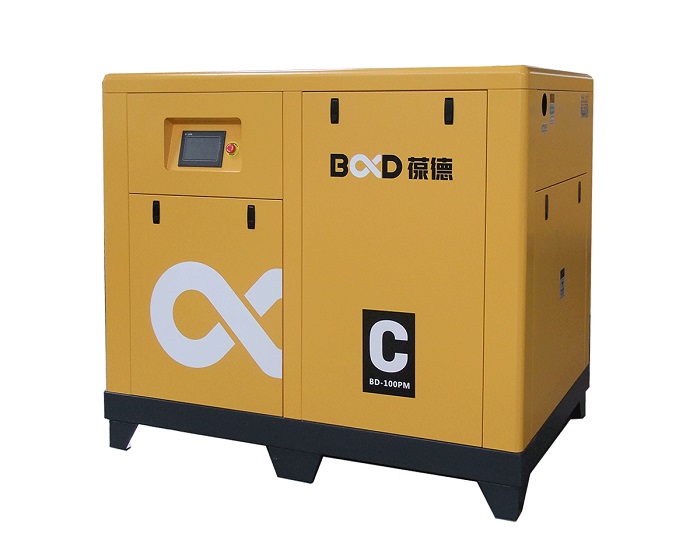
1. Air Quality Requirements
The quality of compressed air is an essential factor when selecting a screw air compressor. Depending on the specific requirements of your industry, you may need to ensure that the compressor meets the following conditions:
- Oil Content Reduction: To reduce the oil content in the compressed air, consider installing an oil separator or purifier. For higher performance requirements, multi-stage treatment systems may be necessary.
- Water Content Reduction: To minimize moisture in the compressed air, consider pairing the compressor with water removal equipment such as dryers or filters.
Ensuring the proper quality of compressed air helps prevent issues such as contamination and system damage, thereby improving the overall performance and longevity of your equipment.
2. Discharge Pressure
The discharge pressure of a screw air compressor significantly affects its energy consumption. The higher the discharge pressure, the more energy the compressor consumes. When choosing a screw air compressor, consider the following:
- Operating Pressure: The operating pressure of the compressor should be optimized for the required application. Avoid selecting a compressor with unnecessarily high discharge pressures.
- Pipe Resistance Loss: Account for the pressure losses due to the piping system, which may require an increase in the compressor’s discharge pressure. To minimize energy consumption, it’s ideal to select larger diameter pipes to reduce pressure loss and improve long-term efficiency.
Selecting a compressor with excessive discharge pressure can lead to increased energy costs. Choose the lowest practical discharge pressure to meet your operational needs.
3. Airflow Capacity
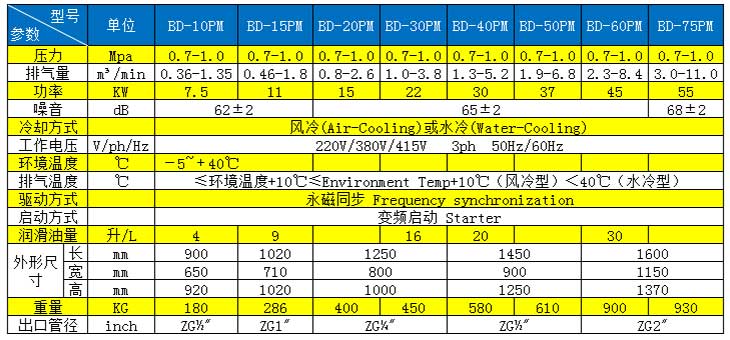
The airflow capacity of a compresseur d'air à vis is another critical factor in choosing the right model. To determine the appropriate compressor size, consider the total air consumption of your equipment and factor in a margin of 10% to 20% for potential increases in demand.
- Under-sizing: Selecting a compressor with too low an airflow capacity may lead to inadequate air supply and reduced performance.
- Over-sizing: Conversely, choosing a compressor with excessive airflow capacity can lead to unnecessary energy consumption during unloading cycles, reducing operational efficiency. Additionally, compressors with higher airflow capacities often come with a higher purchase cost.
It’s essential to balance your needs with the appropriate airflow capacity to optimize both energy efficiency and operational cost.
Conclusion
When purchasing a screw air compressor, it’s crucial to carefully evaluate the compressed air quality, discharge pressure, and airflow capacity. By considering these factors alongside your specific operational requirements, you can select a compressor that maximizes efficiency and minimizes unnecessary costs.
For more information on energy-efficient screw air compressors, visit Baldor Air Compressors.