
Screw air compressors are vital in many industrial applications, providing consistent, stable air supply, low noise levels, and energy efficiency. One crucial component in these systems is the oil-gas separator. This article outlines the proper usage and maintenance of the oil-gas separator in screw air compressors to optimize their performance and longevity.
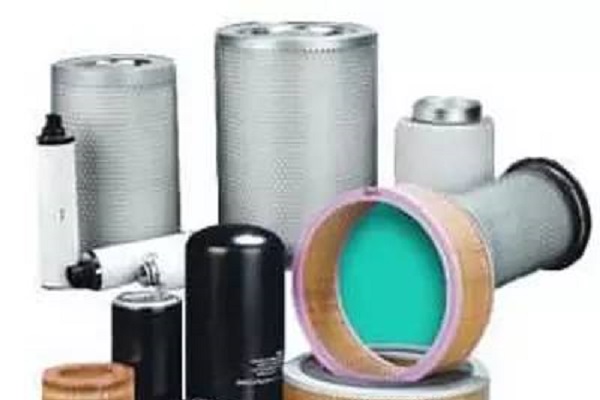
1. Proper Sizing of the Oil-Gas Separator
The efficiency of the oil-gas separator is directly impacted by its sizing relative to the compressor’s airflow. Typically, the oil-gas separator must be selected to handle a flow rate greater than or equal to the screw compressor’s output. This ensures that dust and particulates filtered by the air intake system do not block the separator’s filtration layers, preventing premature pressure buildup and maximizing separator efficiency.
For best performance, the separator should be sized to handle at least 105% of the compressor’s airflow capacity.
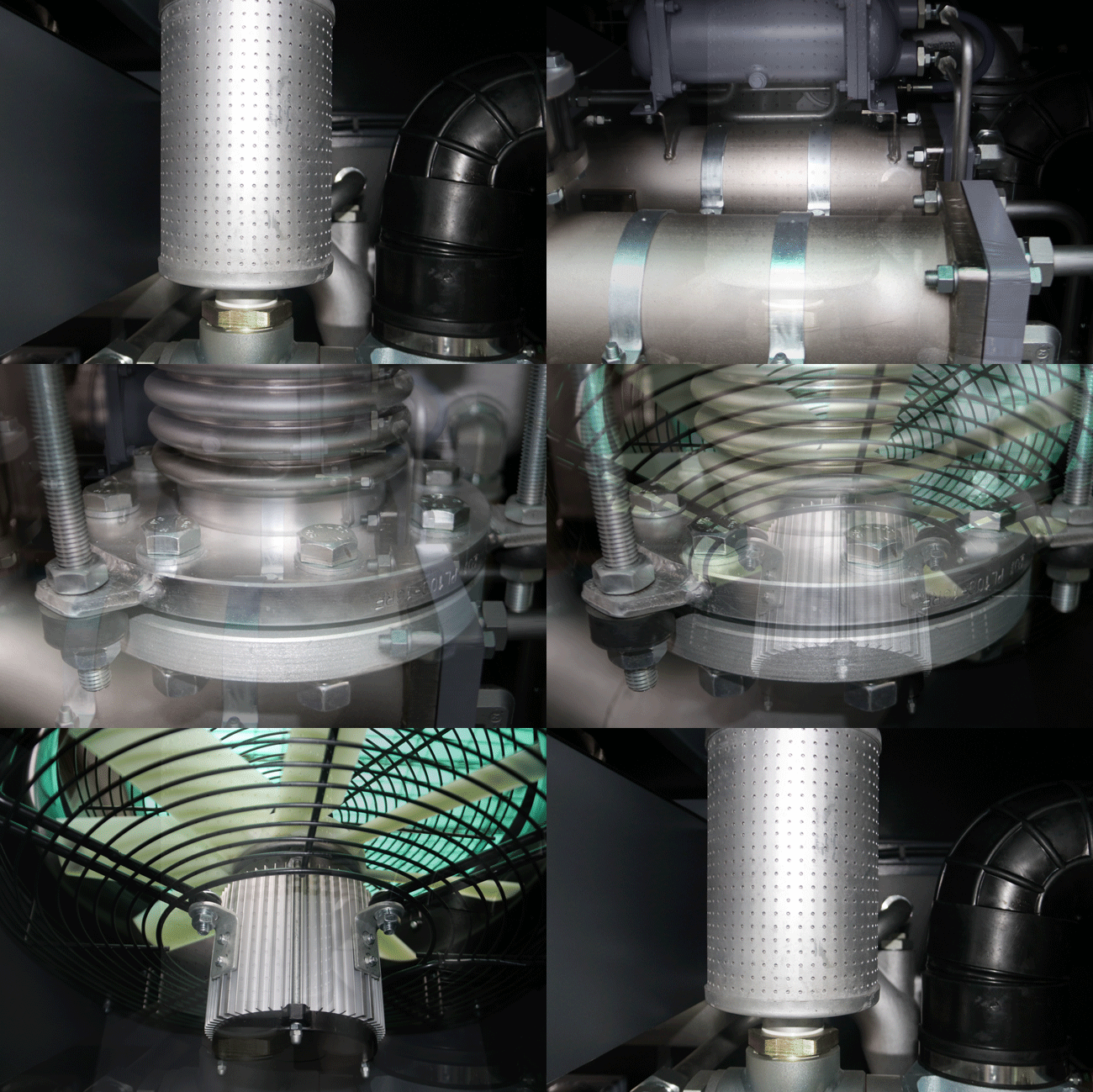
2. Lifespan of the Oil-Gas Separator
Over time, contaminants such as oil oxidation byproducts, pollutants, and wear particles can accumulate in the oil-gas separator, affecting its efficiency. The lifespan of the separator is generally determined by its final pressure differential (ΔP). For most screw compressors, the final pressure differential should range between 0.8 and 1 bar, with vacuum pumps operating at 0.5 bar.
The accumulation of dirt and oil residues increases when the oil flow is higher, which can be monitored by checking the separator’s drainage volume. Typically, optimal drainage is around 1 gram of oil per cubic meter of air processed.
3. Maintaining the Oil-Gas Separator for Longevity
To extend the lifespan of the oil-gas separator, it’s essential to maintain the lubricating oil in the system properly. Contaminants such as solid particles (e.g., oil oxidation products, wear debris) can clog the separator, leading to increased pressure differentials and reduced efficiency. Regular maintenance of the air filters, oil filters, and adherence to oil change schedules can help minimize the buildup of these contaminants.
Additionally, choosing the right lubricating oil is crucial. Only oils that are approved, resistant to aging, and insensitive to water should be used. Oils with poor oxidation resistance should be avoided, as they can form viscous gel-like residues that clog the separator. Higher operating temperatures can accelerate oil degradation, so attention should also be paid to cooling airflow and heat exchanger cleanliness.
4. Oil Consumption and Its Impact
Certain operating conditions can affect the oil consumption in screw compressors. For instance, oil evaporation, pre-separation efficiency, and the effectiveness of the return oil system can lead to higher oil usage over short or extended periods.
Excessive oil levels in the reservoir can also affect the separator’s performance, as it may impair the separation of oil and air, resulting in higher residual oil content in the compressed air.
When using lubricants with slower evaporation rates or when oil temperatures are lower, overfilling the oil reservoir can lead to excessive foam formation, which can pass through the oil-gas separator and increase oil consumption.
5. Oil Reservoir Design and Its Role
The oil reservoir in a screw compressor serves two main functions: storing lubricating oil and buffering the airflow velocity. Proper reservoir design is critical to minimize energy losses and ensure effective separation of oil from the compressed air.
Some key design considerations for the oil reservoir include:
- Flow Rate Matching: The oil reservoir must be sized to match the compressor’s airflow rate and oil injection requirements. The flow velocity before entering the reservoir should be between 15-25 m/s at 7 bar pressure.
- Velocity Control: Within the reservoir, the flow velocity of compressed air should be controlled to a maximum of 5 m/s to ensure effective oil separation before the air enters the oil-gas separator.
- Separation Efficiency: To ensure the separator’s efficiency, the airflow entering the separator should have an oil content of no more than 5-10 g/m³.
The correct design of the oil reservoir directly impacts the compressor’s performance by reducing energy consumption and ensuring low residual oil content in the compressed air.
Conclusion
Proper application, maintenance, and design considerations of the oil-gas separator are essential for the optimal performance of screw air compressors. By selecting the correct separator size, maintaining the lubricating oil, and ensuring the proper design of the oil reservoir, users can achieve higher efficiency, lower oil consumption, and extend the lifespan of their compressors.
For more details on oil-gas separators and other compressor technologies, visit Baldor Air Compressors.